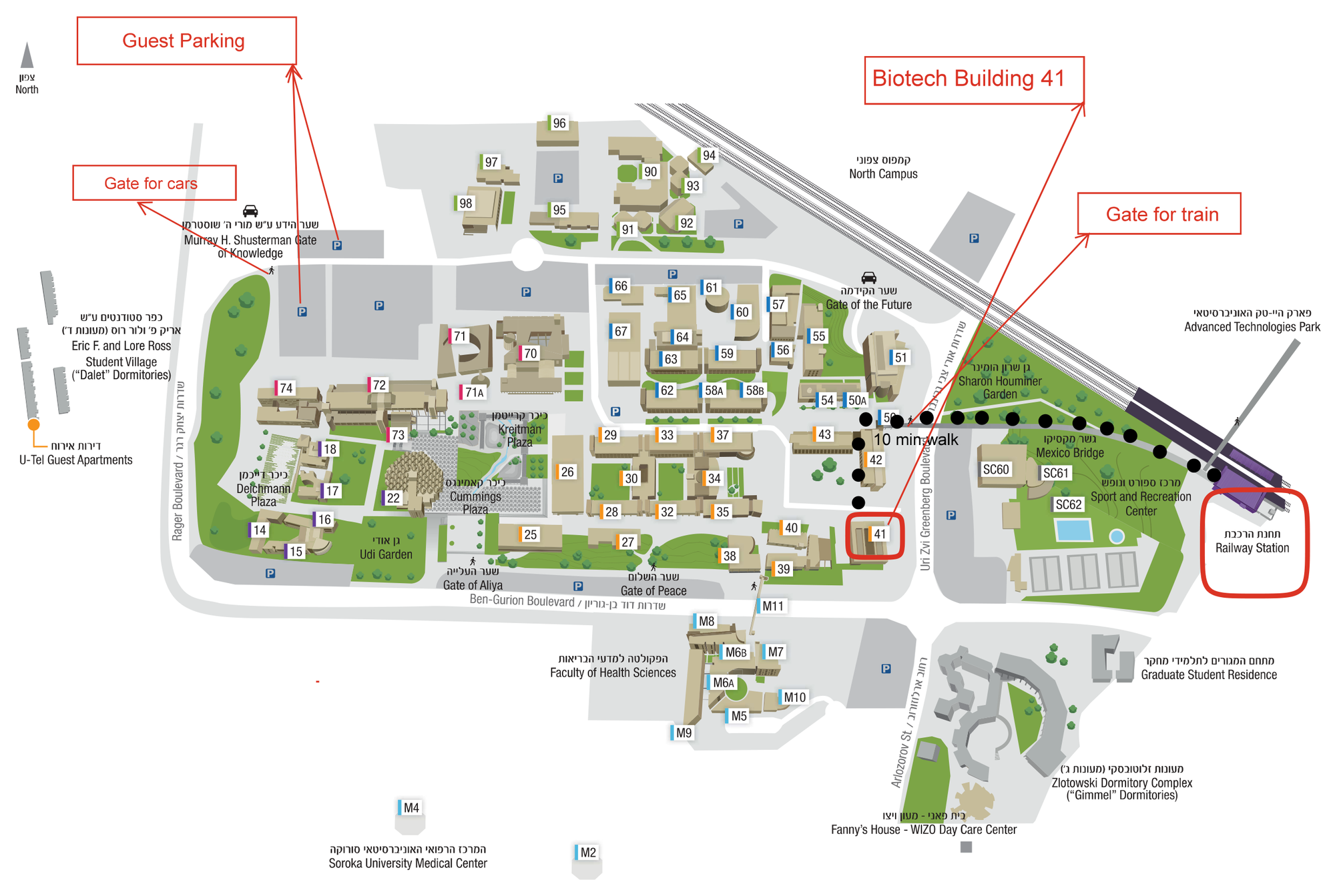
Venue
Biotechnology Building 41, Room 001
Ben-Gurion University of the Negev
Beer Sheva
ABC Robotics Initiative presents
Deadline extendedpreviously October 11October 20, 2026
Registration is compulsory.

October 26, 2026 · Biotechnology Building 41, Room 001
Lab visits*
Registration & student poster presentation
Welcome
“Interventional AI: Where Shared Intelligence Meets Translational Medicine — Implications for Physical AI”
Translational medicine consists of transferring scientific discoveries from the “bench” to the “bedside”. While innovative computational methods in genomics have already led to new therapies (e.g., cancer, diabetes), such a technological revolution has yet to be seen in field-care. Within the continuum of care, the use of AI and machine learning currently finds its place more at the laboratory setting, and less in the field. This gap is also seen in military medicine discipline, between the highest level of care, Role 4 (hospitals and laboratories) to Role 1. Just like work in the OR, treatment in the field involves physically interacting with the patients and devices. To be able to meet bedside needs incorporating the technological innovations that are exploding apace, a new form of intelligence, involving both physical and cognitive aspects is needed, referred as to shared-intelligence. In this talk, I will present my trajectory in the pursue of shared intelligence along the continuum of care, focusing on the operating room as the main setting to highlight new challenges and discoveries in the field of interventional AI. Specifically, I will discuss work related to telesurgery, skill augmentation, imaging-based diagnosis, and robotics training. Progress in these directions will contribute to the public purpose of creating a new form of intelligence that is physical, accessible, effective and sensitive to social needs.
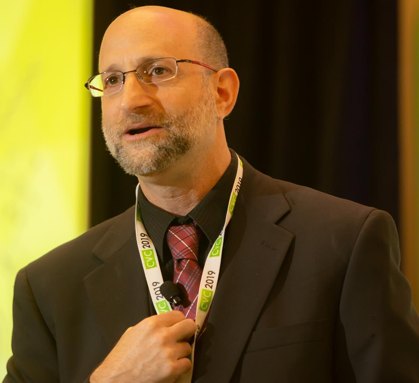 Short bio Dr. Juan Wachs is the James H. and Barbara H. Greene Professor in Industrial Engineering with join appointment with Biomedical Engineering. He is inaugural director of the CARE Center. From 2021-2024, he served at NSF as a Program Director for Robotics and AI programs at CISE. He is also the director of the Intelligent Systems and Assistive Technologies (ISAT) Lab at Purdue, and he is affiliated with the Regenstrief Center for Healthcare Engineering. He completed postdoctoral training at the Naval Postgraduate School’s MOVES Institute under a National Research Council Fellowship from the National Academies of Sciences. Dr. Wachs received his B.Ed.Tech in Electrical Education in ORT Academic College, at the Hebrew University of Jerusalem campus. His M.Sc and Ph.D in Industrial Engineering and Management from the Ben-Gurion University of the Negev, Israel. He is the recipient of the 2013 Air Force Young Investigator Award, and the 2015 Helmsley Senior Scientist Fellow, and 2016 Fulbright U.S. Scholar, the James A. and Sharon M. Tompkins Rising Star Associate Professor, 2017, the ACM Distinguished Speaker 2018, 2020 University Faculty Scholar, and chaired Professorship since 2024. In 2026 he was awarded the IEEE Central Indiana Excellence in Research Award. He is also the Associate Editor of IEEE Transactions in Human-Machine Systems, Frontiers in Robotics and AI.
“When Robots Are Not Welcome: Guidelines for Social Robot Deployment in Public Service Spaces”
Deploying social robots in Public Service Spaces, which are publicly accessible spaces where people access public services, involves integrating them into existing workplaces. This, in turn, requires engagement with a range of stakeholders, including managers, front-line staff, and service users.
In this talk, I will present lessons learned from deploying multilingual social robots in two Public Service Spaces: (1) a university student services center and (2) a refugee and asylum seeker drop-in service. Drawing on these experiences, I will introduce a stakeholder framework for understanding organizational dynamics and discuss how factors such as institutional support, trust, task selection, and inclusivity shape deployment outcomes. I will conclude with a set of practical guidelines for researchers and practitioners seeking to deploy social robots in real-world public service environments.
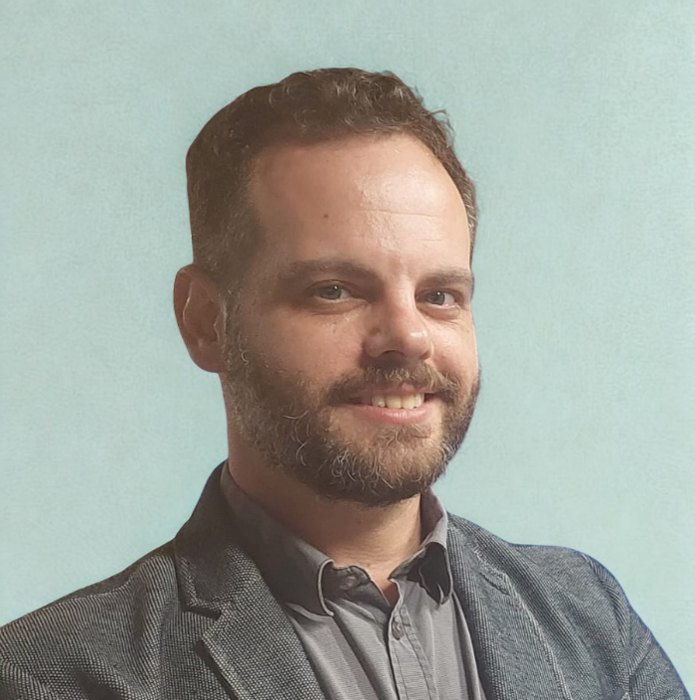 Short bio Shaul Ashkenazi is a Postdoctoral Researcher at PRISCA Lab, University of Naples Federico II, Italy. During his PhD at the University of Glasgow, he conducted interdisciplinary research on social robots in Public Service Spaces. His work explored how stakeholder perspectives and organizational practices shape the adoption of social robots in these environments, leading to a set of guidelines for their successful integration into real-world settings.
Break & refreshments
“Robotic Musicianship – Artificial Creativity and Musical Expression for Robots”
Human creativity is directly linked to embodied interaction with the physical environment. At the Robotic Musicianship Group at Georgia Tech, we explore how embodiment effects and enhances both human and artificial creativity. The talk will present a wide range of robotic projects developed at Georgia Tech Center for Music Technology over the last 20 years, from robotic musicians that compose, improvise, and interact with humans in a variety of musical genres, through robotic dancers that respond to human movement, to prosthetic robotic arms that enable amputees to play musical instruments.
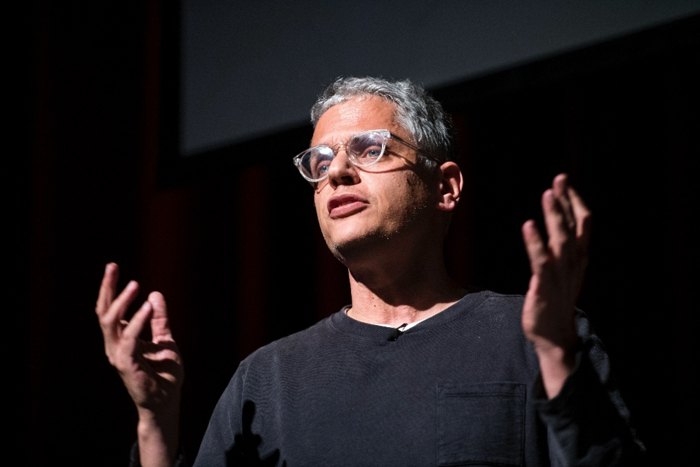 Short bio Gil Weinberg is a professor and the founding director of Georgia Tech Center for Music Technology, where he leads the Robotic Musicianship group. His research focuses on developing artificial creativity and musical expression for robots and augmented humans. Among his projects are robotic musicians that can improvise and respond to human musicians, assistive technologies that enable and enhance musical abilities for people with disabilities, and artistic sculptures and installations that explore ethical implications of artificial creativity. Weinberg presented his work worldwide in venues such as The Kennedy Center, The World Economic Forum, Ars Electronica, Smithsonian Cooper-Hewitt Museum, SIGGRAPH, TED-Ed, DLD and others. His music was performed with Orchestras such as Deutsches Symphonie-Orchester Berlin, the National Irish Symphony Orchestra, and the Scottish BBC Symphony while his research has been disseminated through numerous journal articles and patents. Dr. Weinberg received his MS and PhD degrees in Media Arts and Sciences from MIT and his BA from the interdisciplinary program for fostering excellence in Tel Aviv University.
“Notes and Bolts – How Robots Should Play Music With Humans”
Robotic Musicianship is a field where robots interact with humans in creative ways. Robots can use their unique and superhuman morphologies in music to create sounds and interactions that were previously impossible. These techniques can be used for creative inspiration, accessibility, and education for humans. In this talk, we will discuss the hardware and software development of robotic musicians, to think like musicians and play like robots. We will then discuss dissemination of robotic musicians in performative context and traditional human robot interaction.
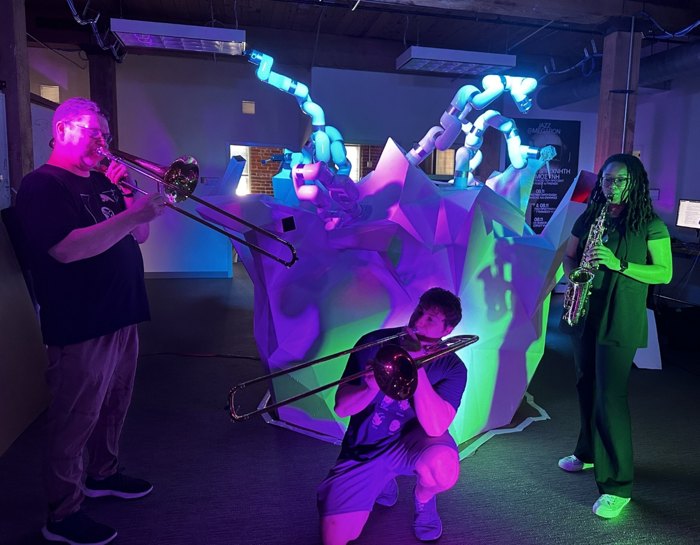 Short bio Amit Rogel is a researcher in the field of robotic musicianship who recently received his PHD from Georgia Institute of Technology under Gil Weinberg. His research focuses on building robots that listen to musicians and respond in creative, inspiring, and superhuman ways. Some if the instruments he built are a Marimba Robot, Guitar Robot, Violin Robot, Dancing Robot, prosthetic drumming arm, and a multimodal interactive installation. He also plays trombone and bass guitar with his robots in places such as Greece, Denmark, and Mexico.
Seats are limited and registration is required.
Deadline extendedpreviously October 11October 20, 2026
Registration is compulsory.
Biotechnology Building 41, Room 001
Ben-Gurion University of the Negev
Beer Sheva
Alight at Beer Sheva North (University) station — a short walk from campus.
An entrance permit is required. Contact abc-robotics@bgu.ac.il by October 19 with your ID, cell number, car number, and car type/color.
The conference is in Biotechnology Building 41, Room 001 — circled on the map.
The gate for cars, the gate for train, guest parking, and the ~10-minute walk from the railway station are all marked.